

Venous reflux is a condition that affects millions of people worldwide, yet many remain unaware of its implications. This disorder occurs when the veins in the legs fail to properly return blood to the heart, leading to a range of uncomfortable symptoms and potential complications. Understanding venous reflux is crucial for early detection and effective treatment. In this blog post, we will explore the symptoms, causes, and treatment options available for venous reflux, empowering you to take control of your vascular health.
What is Venous Reflux?
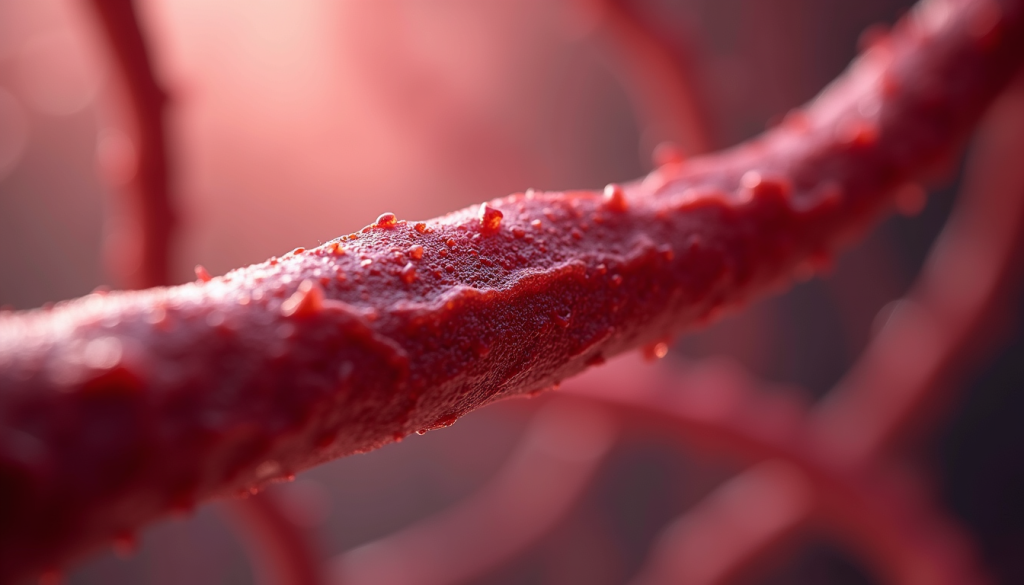
Venous reflux, also known as chronic venous insufficiency (CVI), occurs when the valves in the veins of the legs become weakened or damaged. These valves are responsible for preventing blood from flowing backward as it travels to the heart. When they fail, blood can pool in the veins, leading to a variety of symptoms.
Causes of Venous Reflux
Several factors can contribute to the development of venous reflux, including:
- Genetics: A family history of venous problems can increase your risk.
- Age: The risk of developing venous reflux increases with age as veins lose elasticity.
- Obesity: Excess weight puts additional pressure on the veins in the legs.
- Pregnancy: Hormonal changes and increased blood volume during pregnancy can affect vein function.
- Prolonged Standing or Sitting: Occupations that require long periods of standing or sitting can hinder blood flow.
Symptoms of Venous Reflux
Recognizing the symptoms of venous reflux is essential for early intervention. Common symptoms include:
- Swelling: Often occurs in the legs and ankles, especially after prolonged standing.
- Pain or Discomfort: Aching or heaviness in the legs, particularly after standing for long periods.
- Varicose Veins: Enlarged, twisted veins that may appear blue or dark purple.
- Skin Changes: Discoloration, dryness, or itching of the skin around the ankles.
- Ulcers: Open sores that can develop on the legs or ankles due to poor circulation.
The Importance of Early Detection
Early detection of venous reflux can prevent complications such as skin ulcers, blood clots, and even deep vein thrombosis (DVT). If you experience any of the symptoms mentioned above, it is crucial to consult a healthcare professional for an accurate diagnosis.
Diagnosis of Venous Reflux
To diagnose venous reflux, healthcare providers typically perform a physical examination and may order imaging tests. Common diagnostic methods include:
- Ultrasound: A non-invasive test that uses sound waves to visualize blood flow in the veins.
- Doppler Studies: Assess the direction and speed of blood flow in the veins.
- Venography: An X-ray test that involves injecting a contrast dye into the veins to highlight abnormalities.
Treatment Options for Venous Reflux
Treatment for venous reflux depends on the severity of the condition and the symptoms experienced. Options include:
Lifestyle Changes
Making certain lifestyle adjustments can significantly improve symptoms and prevent the progression of venous reflux:
- Weight Management: Maintaining a healthy weight can reduce pressure on the veins.
- Exercise: Regular physical activity, particularly leg exercises, can improve circulation.
- Elevating the Legs: Raising your legs above heart level can help reduce swelling.
- Avoiding Prolonged Sitting or Standing: Take breaks to move around and improve blood flow.
Compression Therapy
Compression stockings are often recommended to help support the veins and improve blood flow. These stockings apply pressure to the legs, reducing swelling and discomfort. They come in various styles and compression levels, so it’s essential to consult a healthcare provider for the right fit.
Medical Treatments
For more severe cases of venous reflux, medical treatments may be necessary:
- Sclerotherapy: A minimally invasive procedure where a solution is injected into the affected veins, causing them to collapse and fade.
- Endovenous Laser Treatment (EVLT): A laser is used to close off the problematic vein, redirecting blood flow to healthier veins.
- Vein Stripping: A surgical procedure that involves removing the affected vein from the leg.
Surgical Options
In cases where other treatments are ineffective, surgical options may be considered. These can include:
- Ligation: Tying off the affected vein to prevent blood flow.
- Vein Bypass: Creating a new pathway for blood to flow around the damaged vein.
Living with Venous Reflux
Managing venous reflux is an ongoing process. Here are some tips for living with the condition:
- Regular Check-ups: Schedule routine appointments with your healthcare provider to monitor your condition.
- Stay Informed: Educate yourself about venous reflux and stay updated on new treatment options.
- Support Groups: Consider joining a support group to connect with others experiencing similar challenges.
Conclusion
Understanding venous reflux is vital for recognizing its symptoms and seeking timely treatment. By making lifestyle changes, utilizing compression therapy, and exploring medical options, individuals can effectively manage this condition and improve their quality of life. If you suspect you may have venous reflux, don’t hesitate to reach out to a healthcare professional for guidance. Taking proactive steps today can lead to a healthier tomorrow.