

Varicose veins affect millions of people worldwide, causing discomfort and sometimes leading to more serious health issues. These swollen, twisted veins often appear on the legs and can be more than just a cosmetic concern. Understanding what causes varicose veins, recognizing their symptoms, and knowing the available treatment options can help manage this common condition effectively.
What Causes Varicose Veins
Varicose veins develop when the valves inside the veins that help blood flow toward the heart weaken or become damaged. When these valves fail, blood can pool in the veins, causing them to enlarge and twist. Several factors contribute to this condition:
- Age: Veins lose elasticity over time, making valve failure more likely.
- Genetics: Family history plays a significant role; if close relatives have varicose veins, the risk increases.
- Gender: Women are more prone due to hormonal changes during pregnancy, menstruation, or menopause.
- Pregnancy: Increased blood volume and pressure on veins during pregnancy can lead to varicose veins.
- Obesity: Excess weight puts additional pressure on leg veins.
- Prolonged Standing or Sitting: Occupations or habits that involve long periods of standing or sitting reduce blood flow and increase vein pressure.
Understanding these causes helps identify who might be at risk and highlights the importance of lifestyle adjustments to reduce the chance of developing varicose veins.
Recognizing Symptoms of Varicose Veins
Varicose veins are often visible as blue or dark purple bulging veins just beneath the skin. Symptoms can vary from mild to severe and may include:
- Aching, heavy, or uncomfortable legs
- Swelling in the lower legs and ankles
- Burning or throbbing sensations around the veins
- Muscle cramping, especially at night
- Dry, itchy skin over the affected vein
- Skin discoloration near the varicose veins
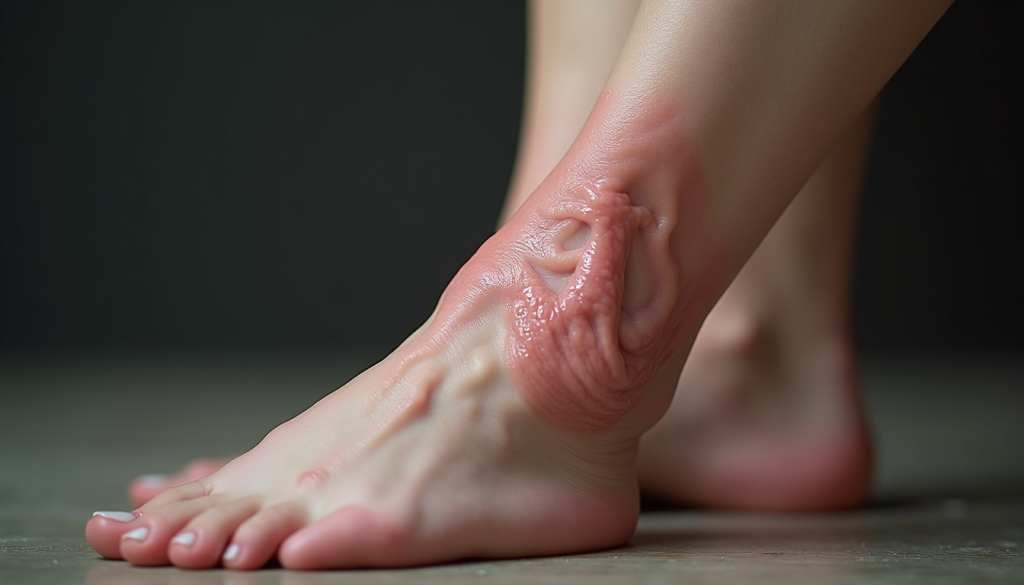
In some cases, varicose veins can lead to complications such as ulcers, bleeding, or blood clots. If symptoms worsen or cause significant pain, it is important to seek medical advice.
How to Prevent Varicose Veins
While not all varicose veins can be prevented, certain habits can reduce the risk or slow their progression:
- Exercise regularly to improve leg strength and circulation.
- Maintain a healthy weight to reduce pressure on veins.
- Elevate legs when resting to encourage blood flow back to the heart.
- Avoid long periods of standing or sitting; take breaks to move around.
- Wear compression stockings if recommended by a healthcare provider to support vein function.
These practical steps can help manage symptoms and improve overall vein health.
Treatment Options for Varicose Veins
Treatment depends on the severity of the condition and the symptoms experienced. Options range from lifestyle changes to medical procedures:
Conservative Treatments
- Compression Stockings: These apply pressure to the legs, helping veins move blood more efficiently.
- Exercise and Leg Elevation: Simple measures to improve circulation and reduce swelling.
- Weight Management: Losing excess weight can relieve pressure on veins.
Medical Procedures
- Sclerotherapy: A solution is injected into the vein, causing it to scar and close. This is effective for smaller varicose veins.
- Laser Treatments: Laser energy closes off smaller veins without incisions.
- Endovenous Ablation Therapy: Uses heat from radiofrequency or laser to close larger varicose veins.
- Vein Stripping and Ligation: Surgical removal of large varicose veins, usually reserved for severe cases.
- Ambulatory Phlebectomy: Small varicose veins are removed through tiny skin punctures.
Choosing the right treatment depends on individual factors such as vein size, symptoms, and overall health. Consulting a healthcare professional is essential to determine the best approach.
When to See a Doctor
If varicose veins cause pain, swelling, skin changes, or ulcers, it is important to seek medical attention. Early diagnosis and treatment can prevent complications and improve quality of life. A healthcare provider may perform an ultrasound to assess vein function and recommend appropriate treatment.