

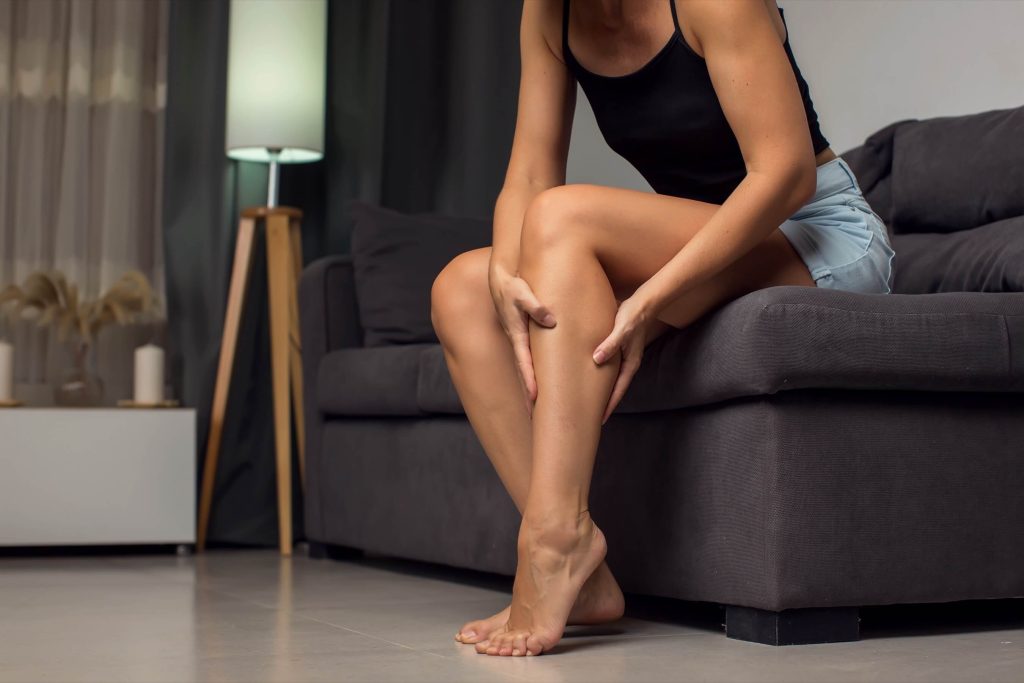
Legs that ache, throb or feel heavy by the end of the day are often written off as a normal part of getting older or being on your feet. In many cases, though, that discomfort comes from the veins. When the valves inside the leg veins weaken, blood has trouble making its way back to the heart and begins to pool in the lower legs, creating pressure, fatigue and pain.
Vein disease is progressive, so leg pain that is left untreated tends to get worse over time. The good news is that the underlying cause can be diagnosed with a simple ultrasound and treated with minimally invasive procedures.
Symptoms
Vein-related leg pain usually builds throughout the day and eases when you put your feet up. Common signs include:
Aching, throbbing or a dull, heavy feeling in the legs
Tired legs that worsen after long periods of standing or sitting
Cramping in the calves, especially at night
Burning, itching or tingling in the lower legs
Relief when the legs are elevated
Visible varicose or spider veins
What Causes Aching, Heavy Legs?
Healthy leg veins contain one-way valves that keep blood moving up toward the heart. When those valves are under abnormal pressure for long enough they stretch and stop closing properly, allowing blood to flow backward (venous reflux). The pooled blood raises pressure in the lower legs, which is felt as heaviness, aching and fatigue. Leg pain can also be a sign of a more serious condition such as deep vein thrombosis (DVT), which is why a proper evaluation matters.
Risk Factors
A family history of vein disease
Being female, due to hormonal changes
Age over 40
Pregnancy or recent childbirth
Jobs that require standing or sitting for long hours
Excess weight, smoking or an inactive lifestyle
Treatment
Treatment starts with a venous ultrasound to find the source of your symptoms. Once the damaged veins are identified, we can close them with minimally invasive, in-office procedures such as Radiofrequency Ablation, Laser Ablation, VenaSeal, Varithena and Sclerotherapy. Blood is rerouted to healthy veins, and most patients return to their normal routine right away.
Compression stockings, elevation and regular exercise can ease symptoms, but they only offer temporary relief — they do not repair the damaged valves causing the pain.